
Community Instead of the Courtroom
Get the Facts
The Rio Del Mar Beach Island HOA is committed to ensuring that accurate information is available to the public regarding the ongoing legal matters affecting Rio Del Mar Beach Island. Much of the discussion surrounding this issue has been shaped by incomplete or misleading claims about court rulings, property rights, public access, and historical land use.
Our goal is simple: provide clear, documented facts drawn directly from court records, trial testimony, and official proceedings. We believe community conversations should be informed by the actual legal record - not assumptions or headlines.
This website exists to present that record in a straightforward and accessible way so neighbors, policymakers, and stakeholders can understand where the case truly stands.
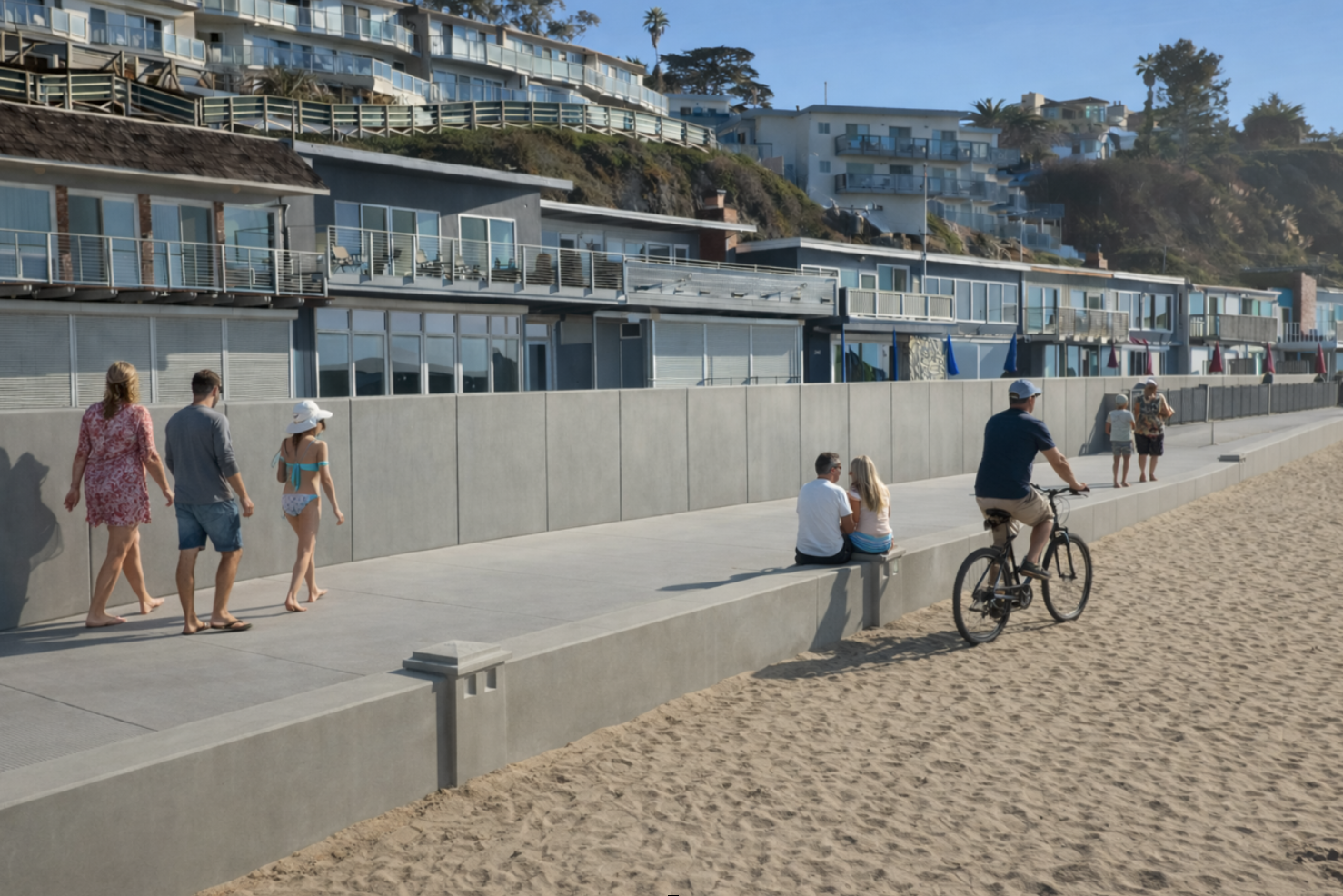
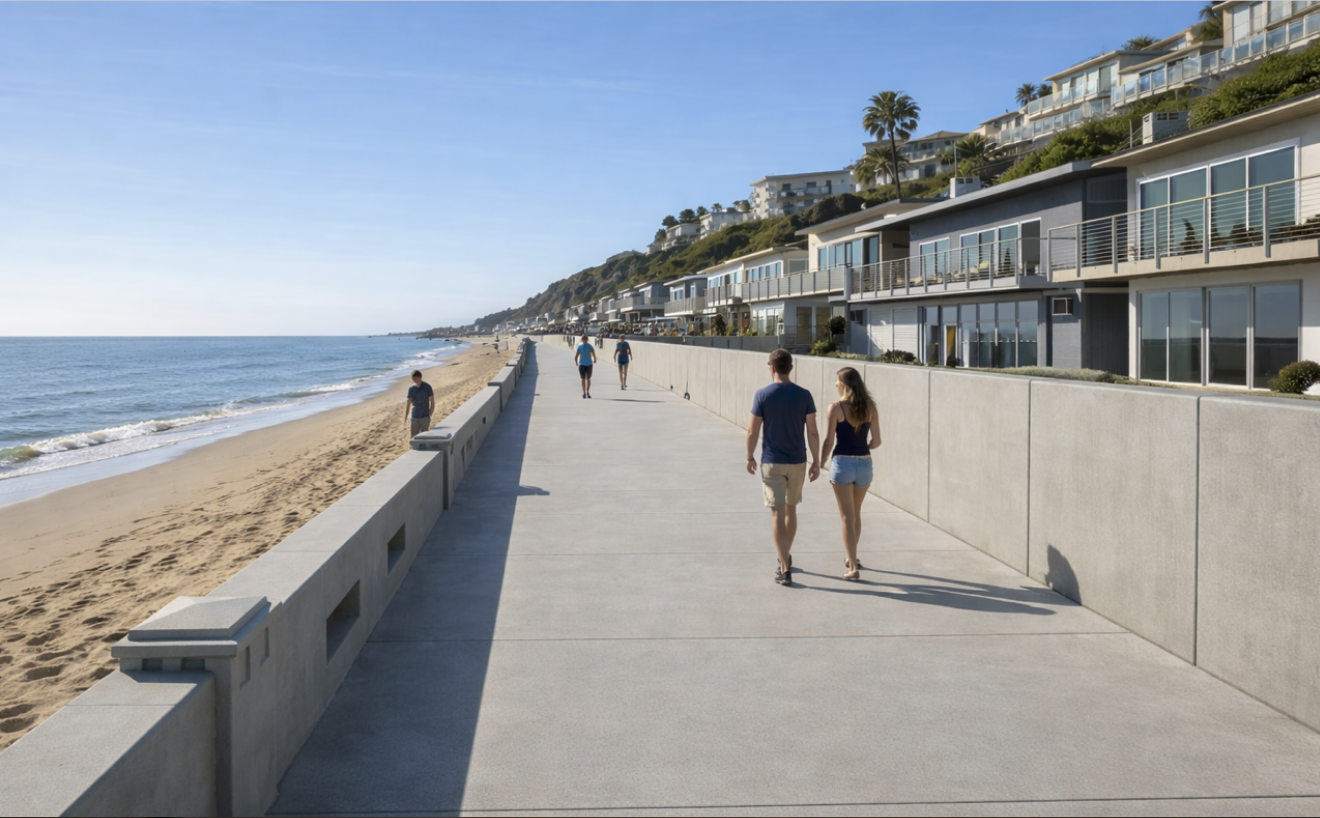
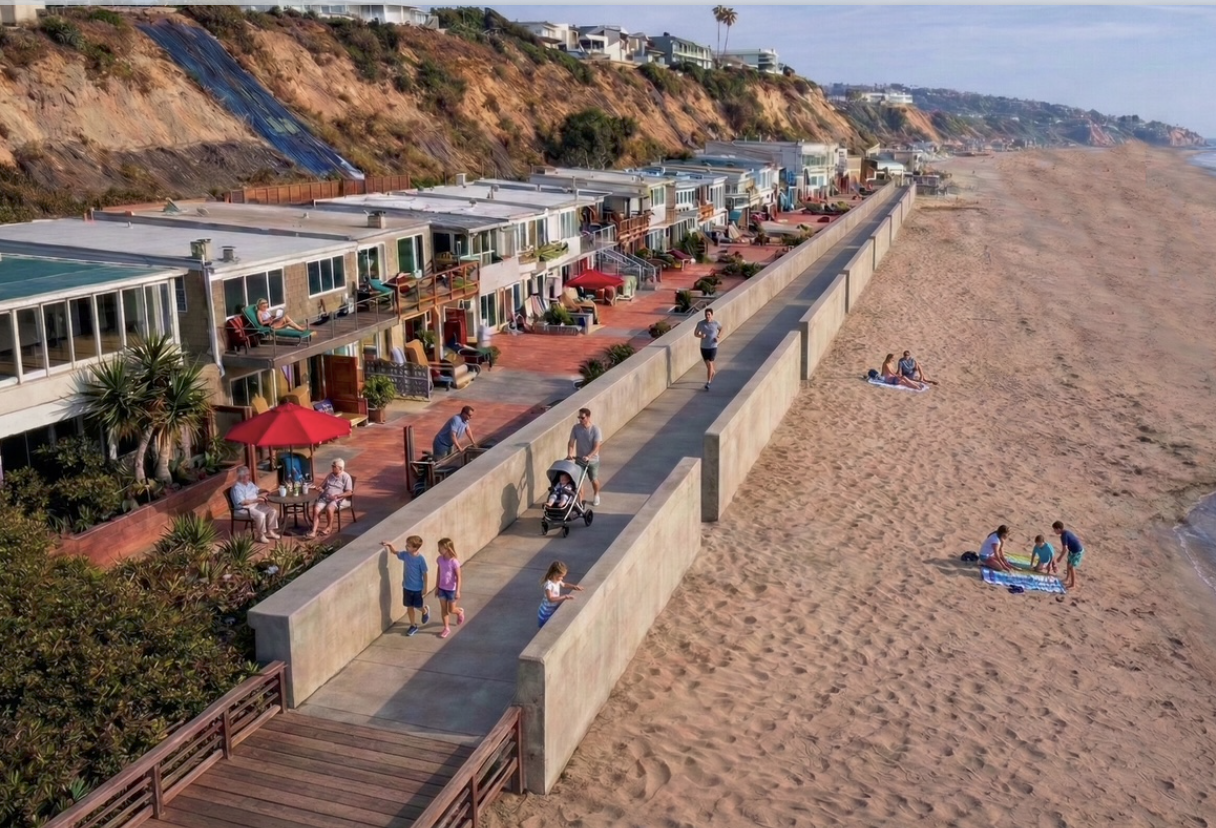
Proposed public beach walkway renderings, to be designed and paid for by the Rio Del Mar Beach Island HOA
Community Partnership
The final March 9 presentation to Supervisor Kim DeSerpa, prepared in coordination with HOA President Paula Pyers, was well received. Supervisor DeSerpa indicated that both her colleagues and the County should continue pursuing this path forward.
Our goal is to work in partnership with the County and the Rio Del Mar community to find a practical, community-driven solution. We believe a collaborative approach focused on dialogue, not litigation, is the best path to avoid unnecessary public costs, protect residents, and address access and infrastructure needs in ways that reflect the community's priorities.

MYTH vs FACT
-
Myth - The press and among some of the Aptos activists is that the California Supreme Court weighed in on this case, affirmed the Court of Appeal ruling that the homeowners have no interest in the patio areas and the county can take down the current Court-authorized barriers without regard to the remand trial or any other actions.
Fact - he Supreme Court refused to hear the case, let the court of appeals unpublished decision stand, and the court of appeal’s reversal means a remand to the trial court for consideration of the above-referenced issues. The first hearing in the remand case was March 16 before Judge Tim Schmal.
-
Myth- Homeowners constructed barriers in recent years to keep the public off an established County accessway. Truth is that all the individual homeowner patios were constructed legally in the 1930s, 1940s, and 1950s, as was the fence at 300 Beach Drive and the masonry wall at 202 Beach Drive. The court of appeals did not take issue with the prior trial court decision, based on substantial evidence, that the structures were legally standing well before 1960.
Fact - The truth is that all the individual homeowner patios were constructed legally in the 1930s, 1940s, and 1950s, as was the fence at 300 Beach Drive and the masonry wall at 202 Beach Drive. The court of appeals did not take issue with the prior trial court decision, based on substantial evidence, that the structures were legally standing well before 1960.
The CA Court of Appeal in October of last year said three things:
- In 1929 the County created a public easement over a 37-foot strip of land. An easement means the public may have certain rights to use the land, but the homeowners retained fee simple ownership (still own the property itself).
- The court also overturned an earlier decision from the Santa Cruz County Superior Court that said the County had no rights at all. Because of that reversal, the case is being sent back to the trial court for a new hearing. That new trial will look at what happened after 1929, including the County’s actions in the 1950s to abandon its interest in the land and a 1963 action by the developer’s successor to revoke the earlier offer to dedicate the land for public use.
- The Court of Appeal did not decide how other laws might apply, including the California Coastal Act or the County’s current zoning rules.
- Those laws could still limit how the land is used, such as requiring 10-foot setbacks from homes or allowing the County to regulate when, where, and how the public could use the 37-foot strip. The appeals court also indicated that homeowners may need to pursue additional legal actions if the County tries to immediately open or take control of their entire patio areas.
-
Myth - The county was and is entitled to “abate” the fence and wall structures as “nuisances” encroaching on an existing county road. An easement on paper that may have been established in 1929 can be lost due to governmental failure to improve or use that paper easement in subsequent years and in any event, the county acknowledged in Court that they have no evidence of an existing road at Rio Del Mar Beach Island.
Fact- All that exists along the strip of 29 small beach bungalows are concrete and brick patios and other structures legally constructed with and without permits (Note- evidence was submitted during the 2022 trial before Judge Volkmann stating that most of the patio area structures and hardscape predated any requirements in the Santa Cruz County zoning or building codes for permits and also predated the Coastal Act).
-
Myth - If the homeowners thought they owned or had a right to personal use of the patio areas, they should have paid property tax on this portion of their real estate.
Fact - Undisputed trial testimony and evidence submitted to the court demonstrated that the county assessor had assessed individual property owners for the space within the 37-foot strip for property tax going back to the 1950s.
Get in Touch
If you're interested in working with us, complete the form below. We'll review your message and get back to you within 48 hours.